Is this really normal?
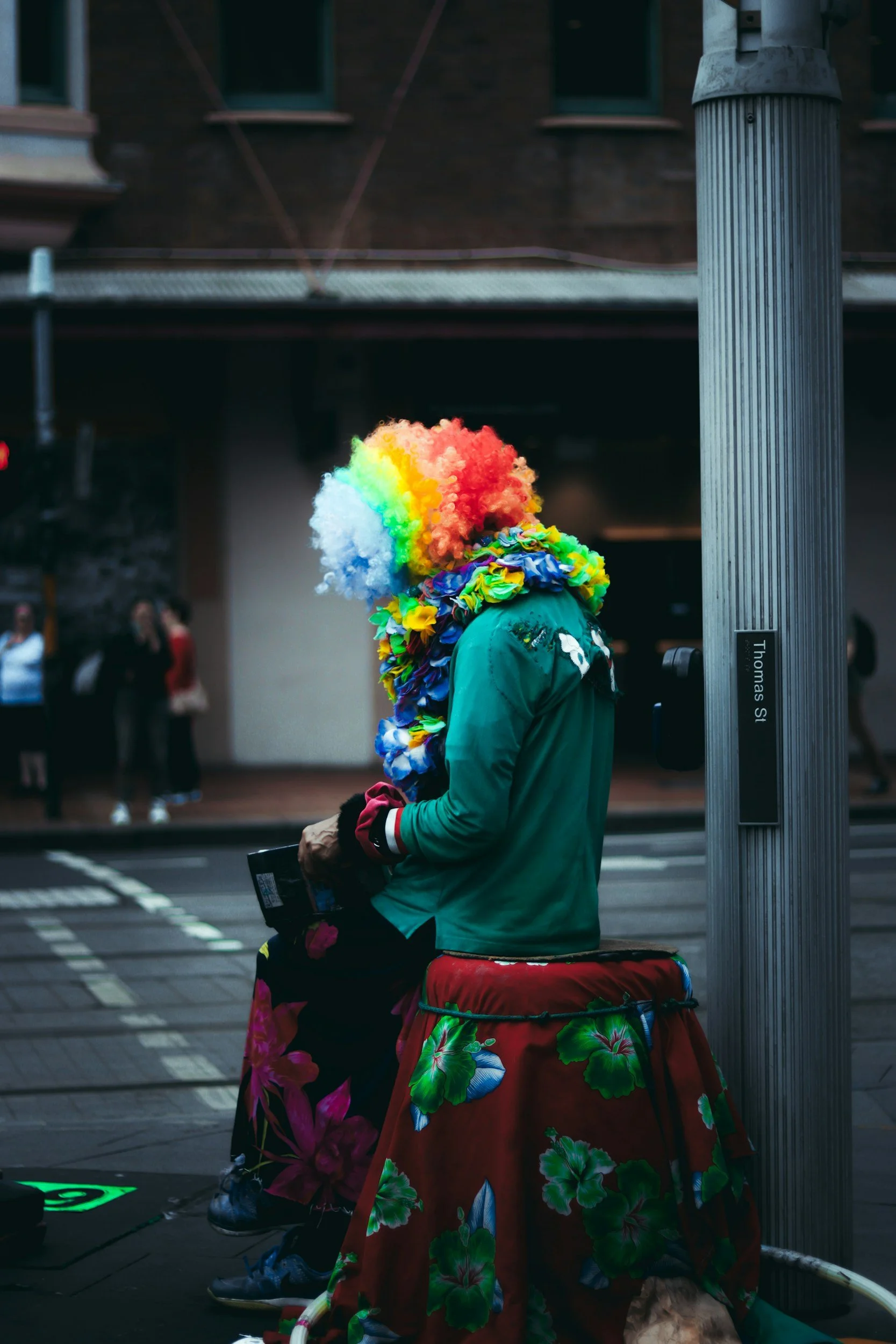
Photo by Nick Jones on Unsplash
This is part 2 of what I’ve been learning from rivers, fungi and a Buddhist Zen monk about how we burn out ourselves and our planet, this time exploring:
letting things creep into ‘normal’, regardless of whether they are beneficial, inevitable or necessary
whether we are really as independent as we think we are, or want to be - and whether acknowledging our interdependence could be useful
Back in June, I attended the ‘Reimagining our Rivers’ talk as part of the Festival of Nature 2025, and at the same time I was reading ‘Entangled Life: How fungi make our worlds, change our minds and shape our futures’ by Merlin Sheldrake, and Zen and the Art of Saving the Planet, by Thich Nhat Hanh, and, more recently, I read Wilding by Isabella Tree. There were several overlapping themes, that prompted me to reflect on our relationship with ourselves, each other and our planet, and how these relationships can contribute to ‘burning out’ ourselves and our planet.
This is the second of a two-part post. The first was about mindful vs mindless consumption, and what happens when we treat ourselves and the world around us as commodities.
Is this normal? Keeping up with shifting baselines
Shifting baselines is a phenomenon where what is considered ‘normal’ changes over time. Things that were once standard become unimaginable, intolerable or impossible, and vice versa. We are more likely to accept or tolerate these shifts, regardless of whether they are for better or worse, because somehow we have come to perceive them as normal – forgetting that it was not always the case and may not be in the future.
Examples of shifting baselines seem to come up all the time in my world. The concept was mentioned at Reimagining Rivers, in Wilding, on a bird identification course I did, among other places. Common examples are to do with insects and birds. For example, in the UK it used to be normal to get insects splattered all over your windscreen (so I’ve heard, it was before my time). Now insect numbers have plummeted severely and this new and convenient absence of them is experienced as normal. It is actually abnormal, and bad news for the functioning of our world, food systems and ecosystems - and for the insects.
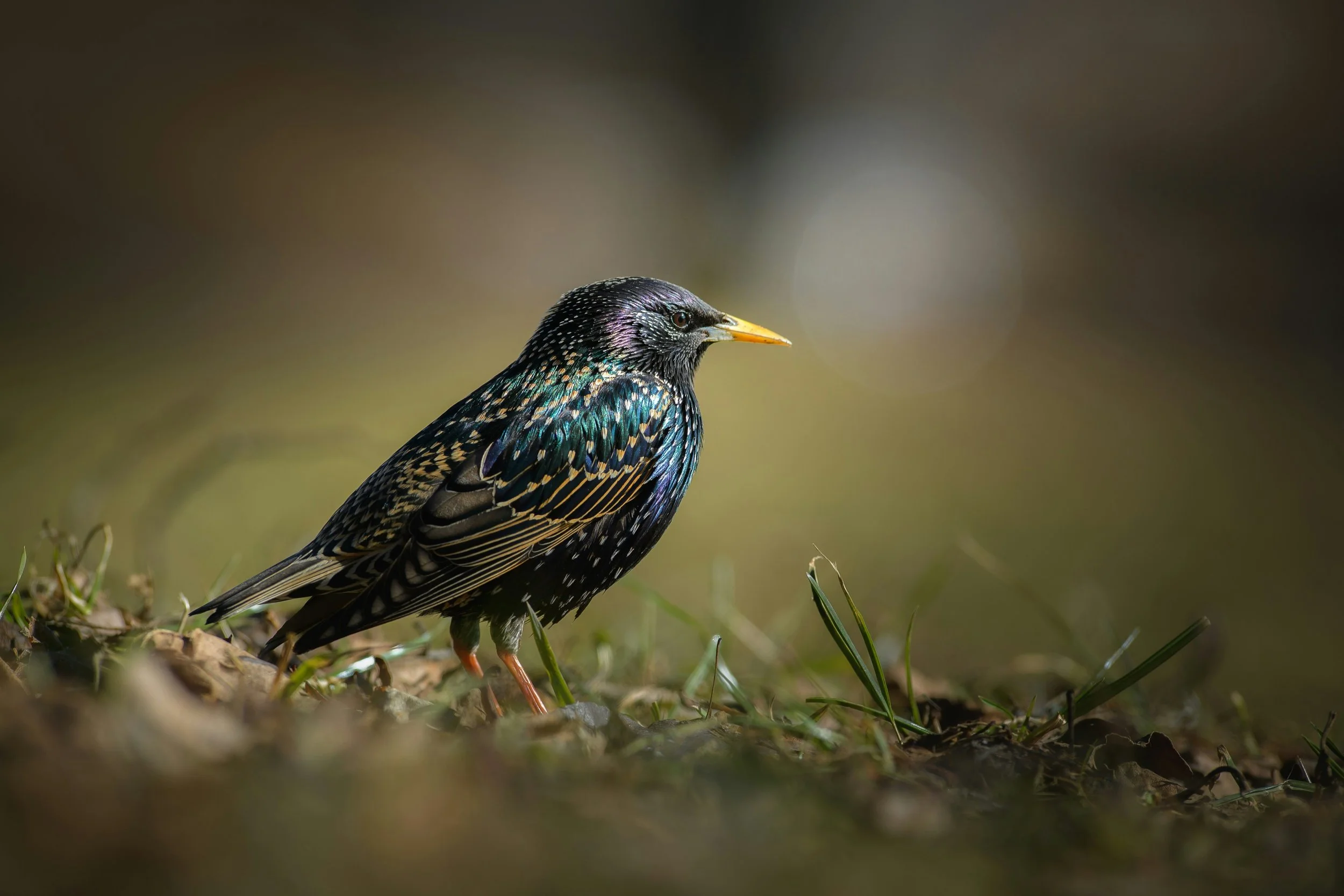
Starlings filling the sky in a murmuration display is considered a ‘wonder of the natural world’, but their numbers have plummeted in the UK - Photo by Daniil Komov on Unsplash
At an event in Monmouth for the campaign to save the River Wye, the representative from the Soil Association referenced the shifting baseline of chicken consumption. She said it has now become normalised to eat chicken in such high quantities that in the UK we need to get 95% of it from Intensive Poultry Units (IPU) to keep up with demand and to keep it cheap enough that we can maintain that new normal baseline. People have adjusted to the new baseline so that the thought of reducing the quantity of chicken consumed in order to eat better quality chicken that is more nutritious, and produced in ways that is less harmful to the ecosystem and the chickens, would feel like a deprivation. On the other hand, Monmouthshire school children have successfully persuaded the council to stop feeding them IPU chicken , and thinking about the way that my own children ask me to explain the inexplicable things that society sees as normal (“Mummy why do people wax their legs?”), perhaps a childlike curiosity could be a useful protective factor against the more sinister shifting baselines.
Smart phones only became mainstream a blink of an eye ago, in 2010-12, and yet we are so accustomed to them as an extension of our brains and bodies - and they are so embedded in the structures of our life, work and education - that it is for many of us unfathomable to live without them. AI has burst into the mainstream and instantly become utterly ubiquitous. Even people who complain about smart phones and AI speak as though there is an inevitability about them.
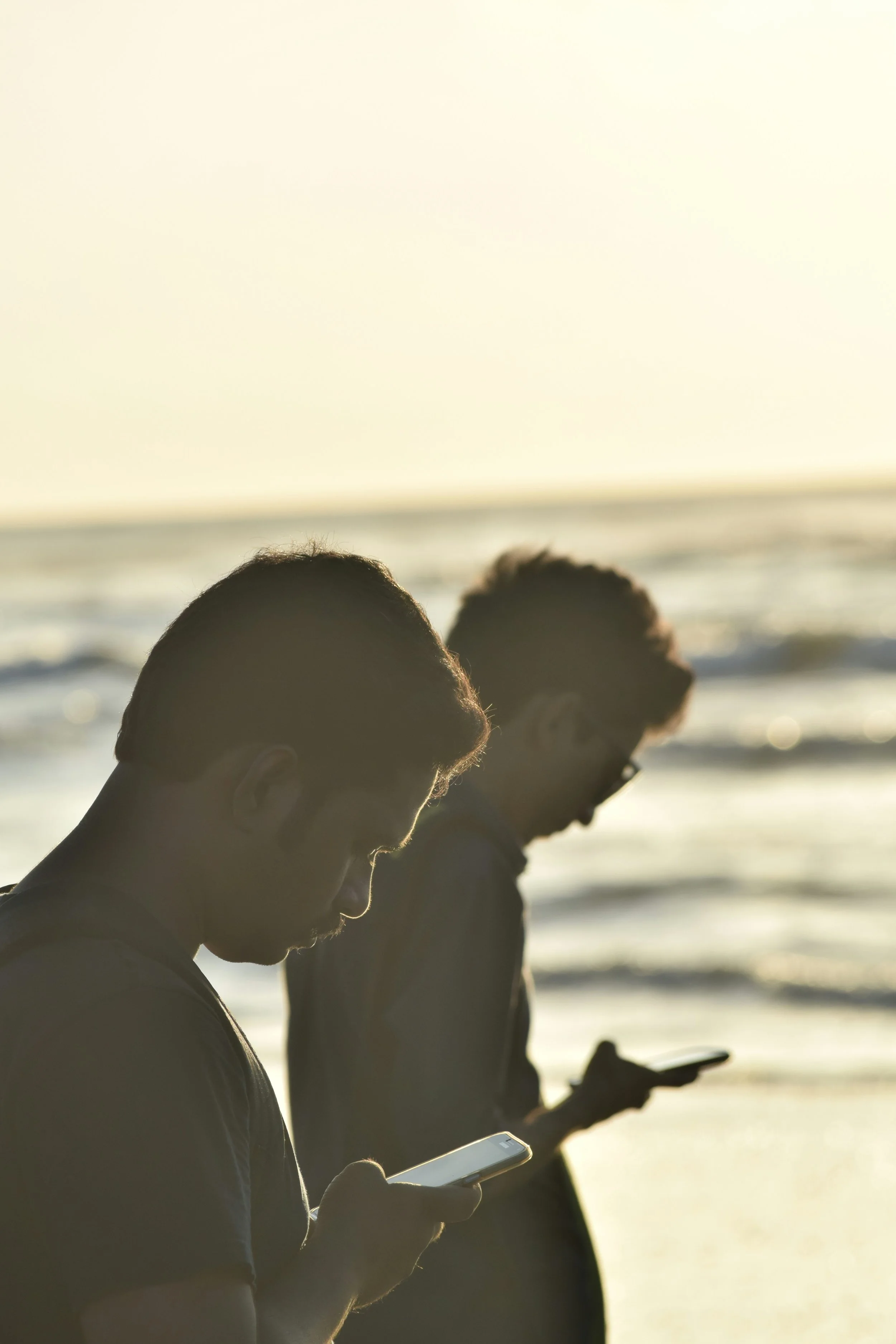
Photo by Christy Joseph Jacob on Unsplash
Being stressed and exhausted is also normalised among many people, and can seem to settle in as a constant hum in the background of life - part of the furniture. Long hours, fast pace, constantly switched on, sky-high expectations and standards (that keep expanding). And all this drives a need for convenience, comfort and escapism that has also become normalised – regardless of the cost (to ourselves and others). In my line of work, I know that one huge cost is burnout.
Certain things have become statistically normal – empty skies and soils, stress and burnout, anxiety and convenience. But that doesn’t necessarily mean they are normal.
What has become normalised for you, that actually might not be so normal after all?
Knowing that it is not ‘normal’ and therefore you are free to reject it and recalibrate to your own preferred baseline, what might you change?
What might be a better ‘normal’ for you in your own life, or the world around you?
How might you shift, even slightly, towards that?

Imagine if you are free to choose your normal - Photo by Clay Banks on Unsplash
Is independence a bit of a myth?
I knew - had studied on my biology degree - about symbiosis and certain species depending on each other, and understood about the existence of complex relationships and various ‘butterfly effects’, including some of those involving fungi. But I really hadn’t grasped the significance of fungi. Since joining Nature’s Blueprint I’ve learnt more about the importance of fungi in regenerative farming for soil health, nutritional content of our food, and balancing carbon levels in the atmosphere, but I still didn’t get it. I hadn’t understood until reading Entangled Life that ‘90% of all plant species depend on mycorrhizal fungi… a more fundamental part of planthood than fruit, flowers, leaves, wood or even roots’. It paints the widespread use of fungicides in a new light. It reminds me of a post I saw on Instagram about how we’re scared of insects but we need to be much more afraid of a world without insects. It’s the same for fungi. We know that fungi can be givers and takers of life, but by disrupting the relationships between the plants (that we depend on for food) and the fungi that they depend on, we have made plants more vulnerable to harmful fungi, and less able to assimilate necessary nutrients, and we put our food supply at risk. Fungi have played a major role in influencing our climate throughout the history of earth (wouldn’t their help be nice now?).
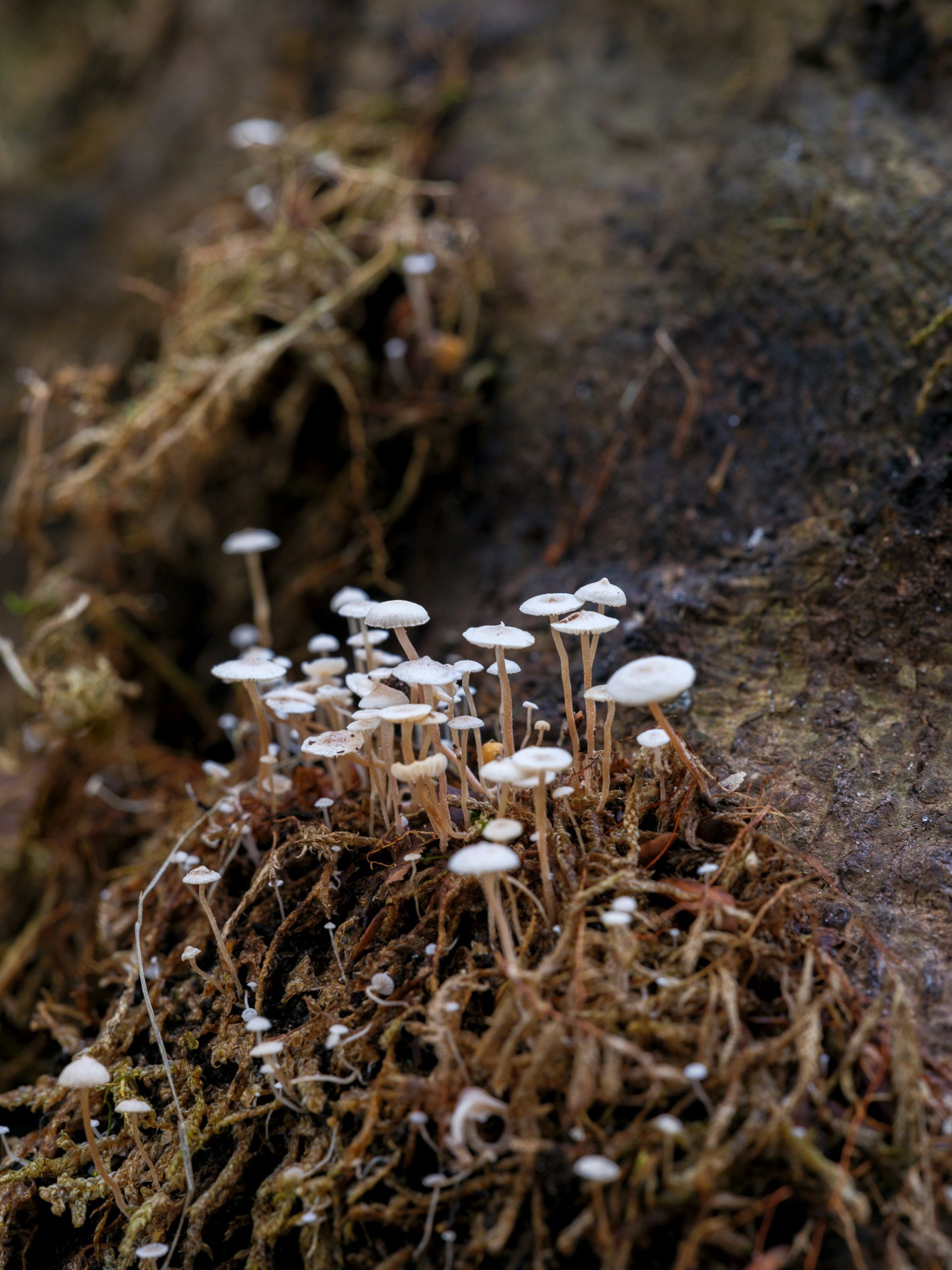
Photo by Haberdoedas on Unsplash
This concept of ‘entangled life’ was also loud and clear at the Reimagining Rivers talk, in Wilding, and in Zen and the Art of Saving the Planet too. It’s too complex – even for the experts as yet - to understand exactly what is happening in the relationships and intricate dynamics and interdependencies of the natural world, the cause and effect, and what exactly our role is in all this. But we don’t need to understand everything perfectly. Without knowing the specifics, we understand enough to know that we are part of it, and we influence it – for better or worse – and need to act with that in mind.
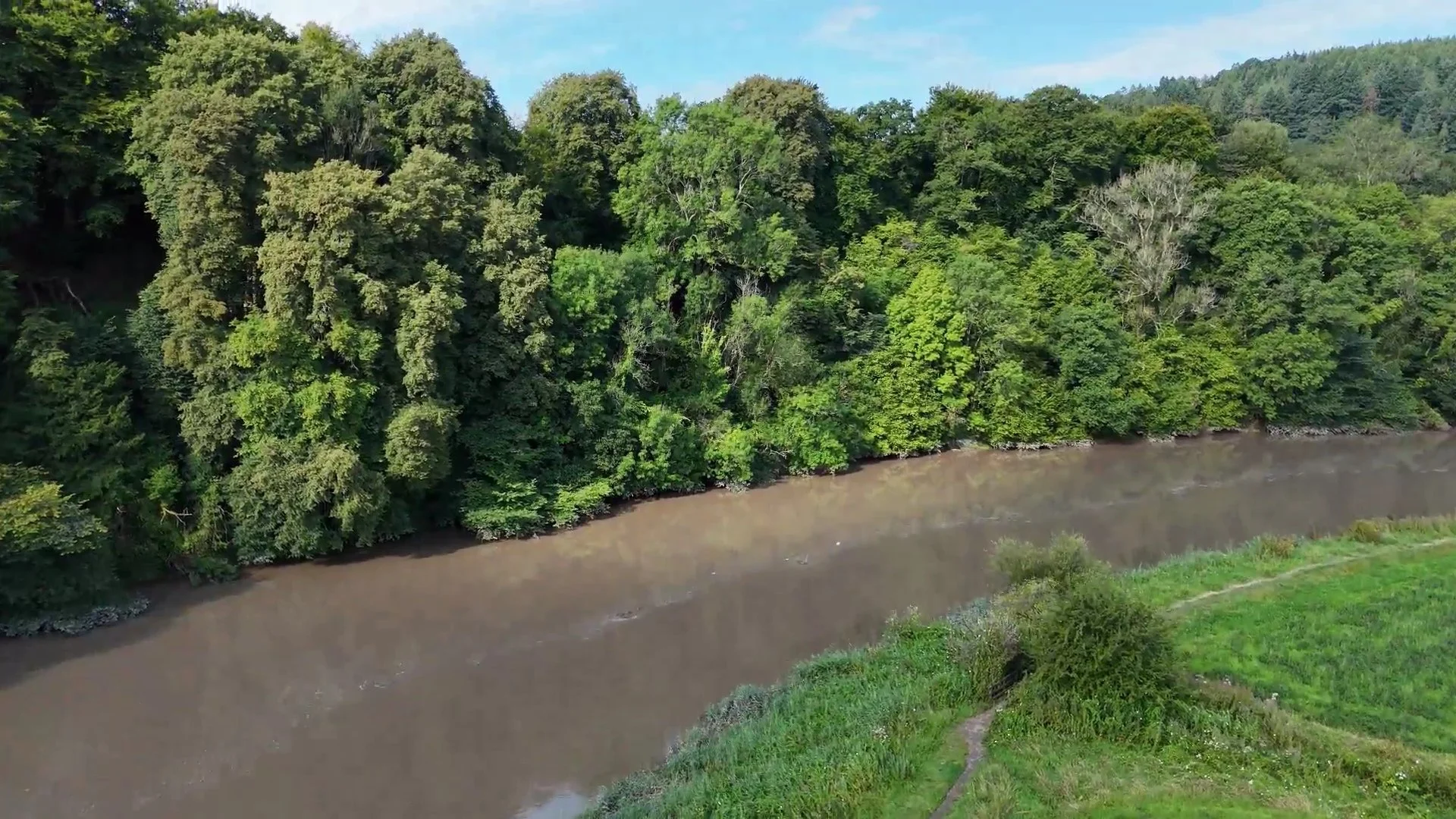
At the river talk they said that we forget that everything that happens on the land ends up in the sea. Our actions are not as inconsequential as we think. Little old me can set spores in motion. In Zen and the Art of Saving the Planet, Thich Nhat Hanh says ‘the wellbeing of the planet depends on the wellbeing of your own body and mind, just as the wellbeing of your mind and body depends on the wellbeing of the planet’. (That might motivate your self-care!) At Reimagining Rivers they spoke about how when we talk about the problems in the rivers, we say, “What a shame that they are in such bad condition”, but we don’t seem to connect it to what this means for us, and how dependent we are on the rivers - how we literally get our drinking water from rivers and need them for our survival. Or that if we don’t take better care of them, they can’t continue to take care of us. The speakers said that living as we do, separate from the rest of the natural world, encased in concrete, with many of our rivers encased in concrete, we forget or don’t understand how interdependent we are.
The River Wye
Independence, ‘the ability to live your life without being helped or influenced by other people’, is understandably often seen as a goal and something to celebrate. But our focus on being independent, self-made, resilient, not relying on or needing help from anyone can also make us vulnerable. It can make us push ourselves to exhaustion, struggle to prove ourselves, be squeamish about getting help, be restrained by the limited resources of the individual, it can make us take too much of the credit and blame for our successes and failures, and it can make us think, in our isolated tower of independence that we can’t make a difference, that the world around us is equally independent from us. We don’t notice the impact that we do have – for better or worse. Although we don’t have control, we do influence our team, family, community, world - and rivers. A passing interaction can have a lasting effect without us knowing. We even influence ourselves with our own thoughts and actions in a feedback loop.
Interdependency: the dependence of two or more people or things on each other
· What about interdependency feels uncomfortable?
· What are some examples of your own interdependency?
· What are some positive differences that interdependency might bring?
If you would like help with any of these reflections, to establish a ‘normal’ that makes more sense to you, or to establish honesty and balance around your interdependency, so that you can make a positive impact in the world without burning out (yourself or the planet) - get in touch for a chat to see if coaching is right for you and if we are a match.