Is self-worth actually good for you, or is it another form of commodification?
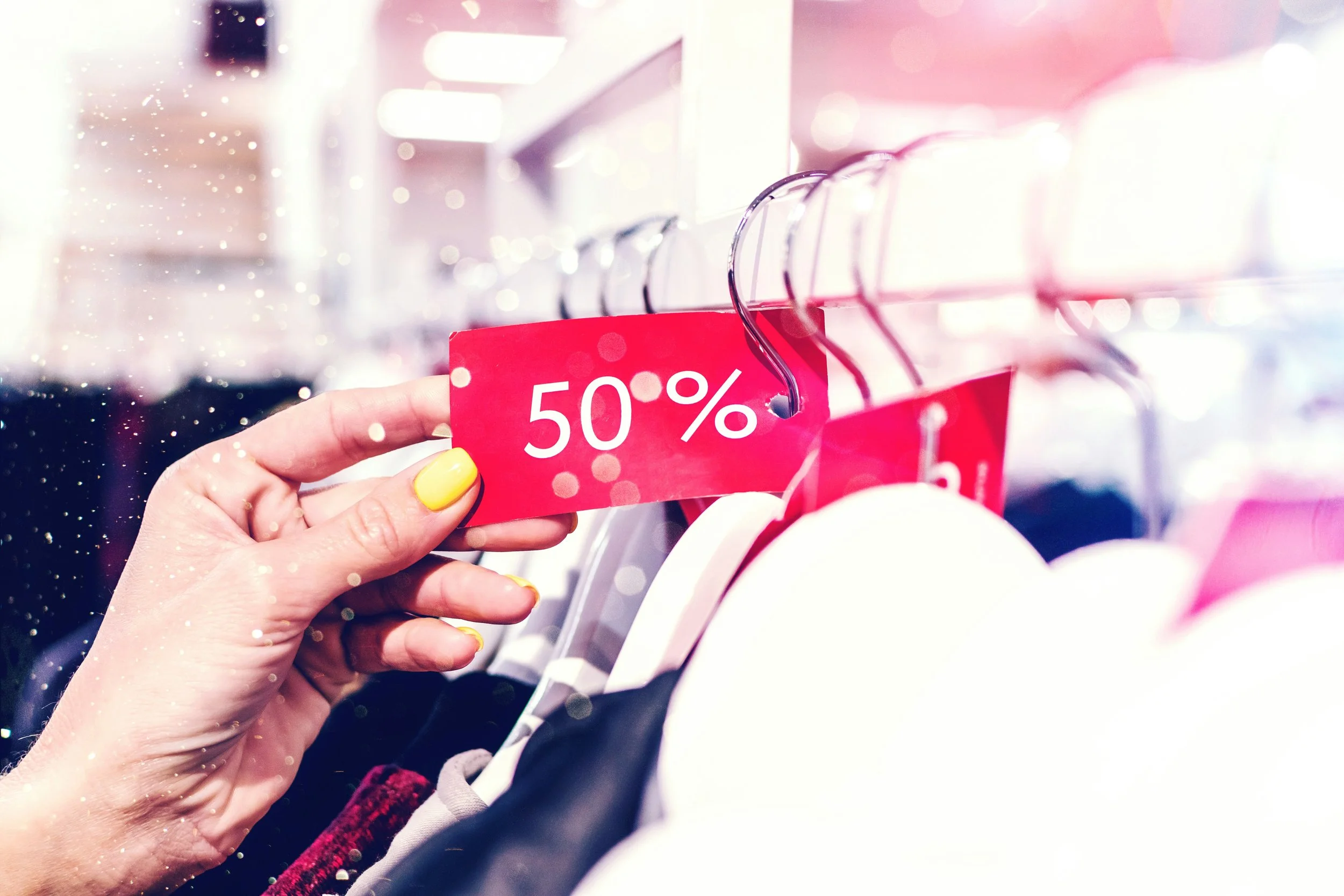
Is it possible for your value to drop like prices on Black Friday? (Photo by Artem Beliaikin on Unsplash)
On Black Friday: Learning from the rivers, fungi and a Zen Buddhist about how we burn out ourselves and our planet
With the arrival of Black Friday slashing prices and driving consumption, it seems apt to share this post. This post is about how the way that we place value on ourselves and the world around us, and how mindfully we make choices about what we consume, can contribute to the exhaustion and eventual burnout that is so prevalent among humans and other life on this planet.
Back in June, at the ‘Reimagining our Rivers’ talk as part of the Festival of Nature 2025 , there was repeated reference to how we commodify our rivers, and it struck me as related to how we commodify and assign value to ourselves.
At the same time as I attended the talk, I was reading ‘Entangled Life: How fungi make our worlds, change our minds and shape our futures’ by Merlin Sheldrake, and Zen and the Art of Saving the Planet, by Thich Nhat Hanh. As tends to happen, the same themes were popping out to me in these different places, and it prompted me to reflect on our relationship with ourselves, each other and our planet, and how these relationships can contribute to exhausting and ‘burning out’ ourselves and our planet.
In this post I’ll talk about two of the themes that came up: commodification, and mindful consumption (two more themes to follow in the next post).
Do we commodify and extract ‘value’ from ourselves and the world around us - to the point of exhaustion?
It was said several times, during the Reimagining Rivers event, that we see rivers as a commodity. Rather than something that we are in a relationship with, interdependent with, something to love and care for, we see a river as something that we can take from, use, sell. We objectify it. And this allows our separation from it, our lack of care, our neglect and harm of it. I first witnessed this process in a different context, when working for an organisation for women who had experienced violence – and saw that objectification and ‘othering’ of humans allows violence to be inflicted on them by other humans who otherwise might not be capable of such maltreatment.
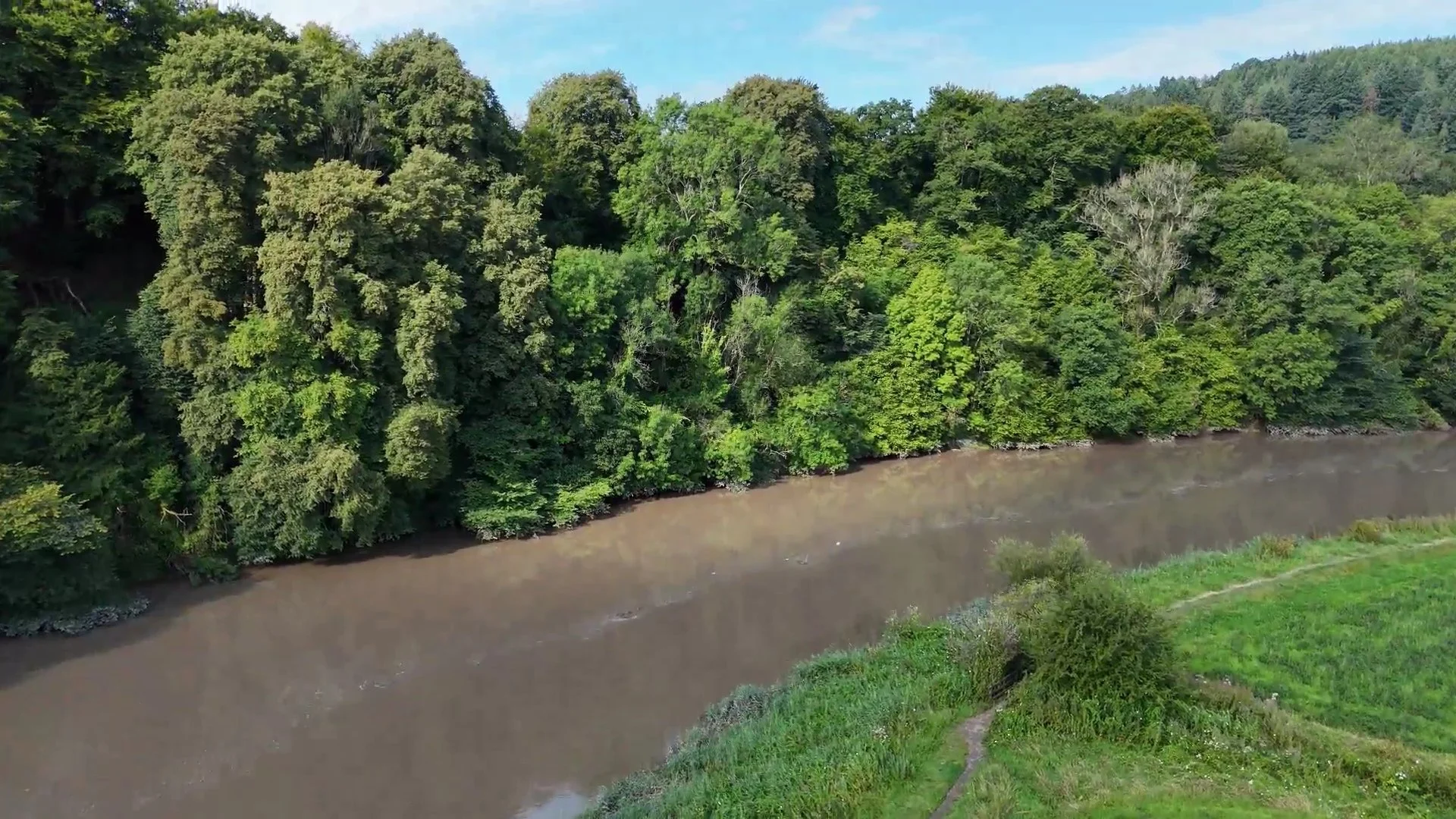
The River Wye
I think we can also commodify ourselves. Think about how we value ourselves and the conditions we place upon that value. We can see ourselves, like the land, the rivers, the plants and the animals, as something that must produce to have value, that we take from and must extract value from. This can contribute to perfectionism, people-pleasing, imposter syndrome and perhaps, eventually, burnout because we are constantly striving to be worth something, to demonstrate our value and maintain that value, and because we fear losing our value, or revealing our lack of value. I think that despite good intentions, the concept of self-love can get wrapped up in this because it can still involve an evaluation of sorts, or determining a value, even if, for now at least, you might be assessing your value or self-worth as high. It can feed into that concept that you are something that can possibly have a value – bringing the subtext that your value can be lost or taken as well as gained or given. Objectifying yourself.
Of course, if self-love and self-worth are working for you, keep doing what works. But for me, this is why I prefer self-compassion: it doesn’t require an evaluation, doesn’t attribute a value to you that can go up or down or change, dependent on circumstances or what you do or say or produce or achieve; or a value that is affected by how you compare to those around you, or by what others think. Like outward-facing compassion, self-compassion means noticing commonality and interconnectedness, and well-wishing, without you having to deserve it or earn it. One of my ‘Rest & Digest Stress Management’ sessions is about compassion - let me know if you are interested in finding out more about it.
Some of the discomfort that some scientists have with the way that other scientists’ descriptions of mycelial networks have sparked our imagination – the way we love to see the distribution of nutrients between trees and fungi and other trees, as examples of altruism, nurturing and cooperation within the ‘Wood Wide Web’ - is because they cause us to use our imagination and attribute feelings where we shouldn’t, and that generates feelings in us too. It’s unscientific. On the other hand, plenty of cultures outright say that the natural world is alive, with feelings and rights. These cultures often know how to live on Earth in a way that doesn’t mean ‘cutting off the branch we are sitting on.’ Science prides itself on neutrality and objective study. In the study of the natural world, is it better to, literally, objectify it? When I was studying Psychology I followed the debates on whether it is possible for scientists to be objective, and whether it’s better to be upfront about our subjectivity rather than deny it. More recently I am seeing increasing discussion about whether scientists even should strive to be so objective.
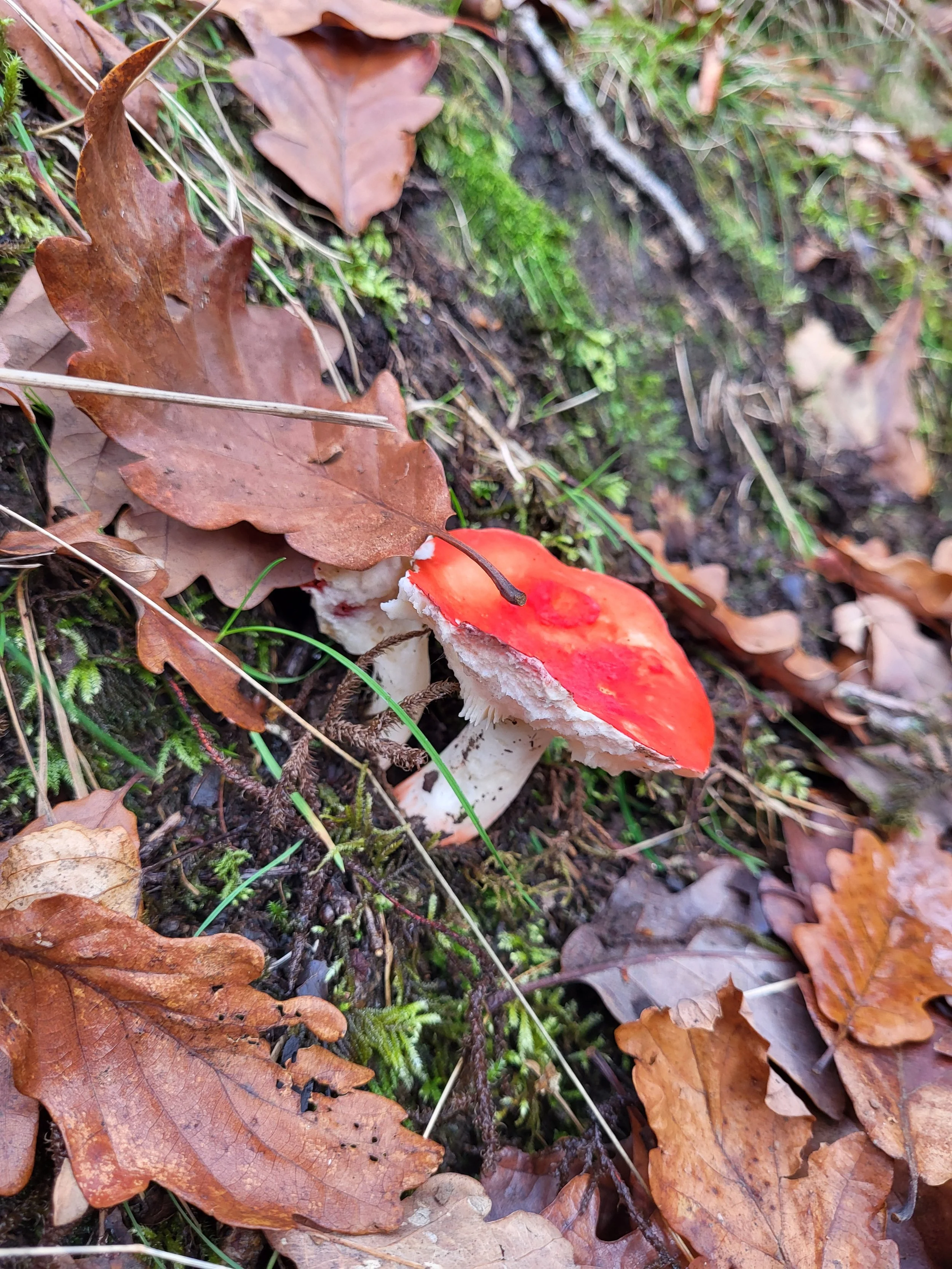
What if we were to stop objectifying and commodifying the natural world, including ourselves, other humans, and the non-human natural world? How might that change the way we treat, respect, care, understand each other? Would we exhaust our personal and environmental resources quite so much?
In what ways do you objectify or commodify yourself?
What difference would it make if you were not an object, and so you were free from having any value that could be given, taken away, increased or decreased, or the need to assess or demonstrate your precarious worth? What might be different then?
Mindful consumption: taking better care of ourselves and the planet
At Reimagining Rivers, the speakers likened the river (one of the many, interconnected living, dynamic, bacteria filled systems on planet Earth), to our guts. Our rivers and our guts are affected by what we put in and what we consume. Everything we put in comes out in some way. They talked about sprouts at Christmas, they talked about whales being built from the molecules that are in the water, and about how what happens on land ends up in the water and affecting the water. As part of the Wye Adventure I learned from the River Wye citizen scientists that chemicals from flea treatment and hormone medication, chicken poo, microplastics, and the soil in whatever quality it is in, end up in the River, incorporated into the life-forms there, and ultimately back to us again when we consume water or food that comes from the river or sea. Every now and again I hear about yet another study analysing various types of organs, tissue or fluids for the presence of microplastics, and I haven’t yet seen one that didn’t find them. Sooner or later the plastic we wear becomes plastic that we consume. And the way that we consume chicken, feeds a food system, that feeds the river, that feeds us.
In the Nature’s Blueprint community we have the benefit of expertise from nutritionists, gut health specialists, and farmers, who help us to understand the importance of ‘what goes in’ – to the soil, to our guts, to our internal and external ecosystems.

In Zen and the Art of Saving the Planet, Thich Nhat Hanh says ‘protecting the planet has to do with our way of consuming… The way to save our planet is to practice mindful consumption’. And by consumption, he means what we eat, drink or purchase, and also the images, sounds, music, films, websites and news stories we consume; the ideas and emotions we consume from our environment and the collective energy that surrounds us; the internal environment that we create and consume in terms of thoughts and things we say to (or about) ourselves. He’s not just talking about how the choices we make when we consume affect the planet directly but also how they affect us, and our ability to care for the world around us. It’s not just our guts, but our hearts and minds that are affected by what we consume; and that in turn, affects our capacity to put good things back out into the world. Sometimes we don’t have a choice about what we consume. But sometimes we do.
Do you consume mindfully: nourishing, resourcing and taking care of yourself?
And what about your influence on what others consume – whether plant, (human) animal or mineral?

What difference does mindful consumption make? (photo by Georgia de Lotz on unsplash)
Often we do things on auto-pilot, distracted, or blinkered without thinking of the impact.
What is one small way that you could consume more mindfully? What difference would it make to you? What would be the ripple effect of that?
What is one way that you could improve (even on a tiny scale) the quality of what others consume (whether human, animal, plant, river or otherwise), through your actions, at home or out in the world?
I’d love to hear your comments, and also get in touch if you’d like to talk about how coaching can help - for example if you would like help to make steps towards changing how you consume; or to make a more positive contribution to what goes out in the world for others’ consumption; if you want to develop your compassion for yourself or others; or are grappling with issues relating to your self-worth and productivity.
In the meantime, I wish you a mindful Black Friday, filled with compassion for yourself and all the other life on this planet.