Are you afraid of getting stretched too thin or crushed by the weight of your goal?
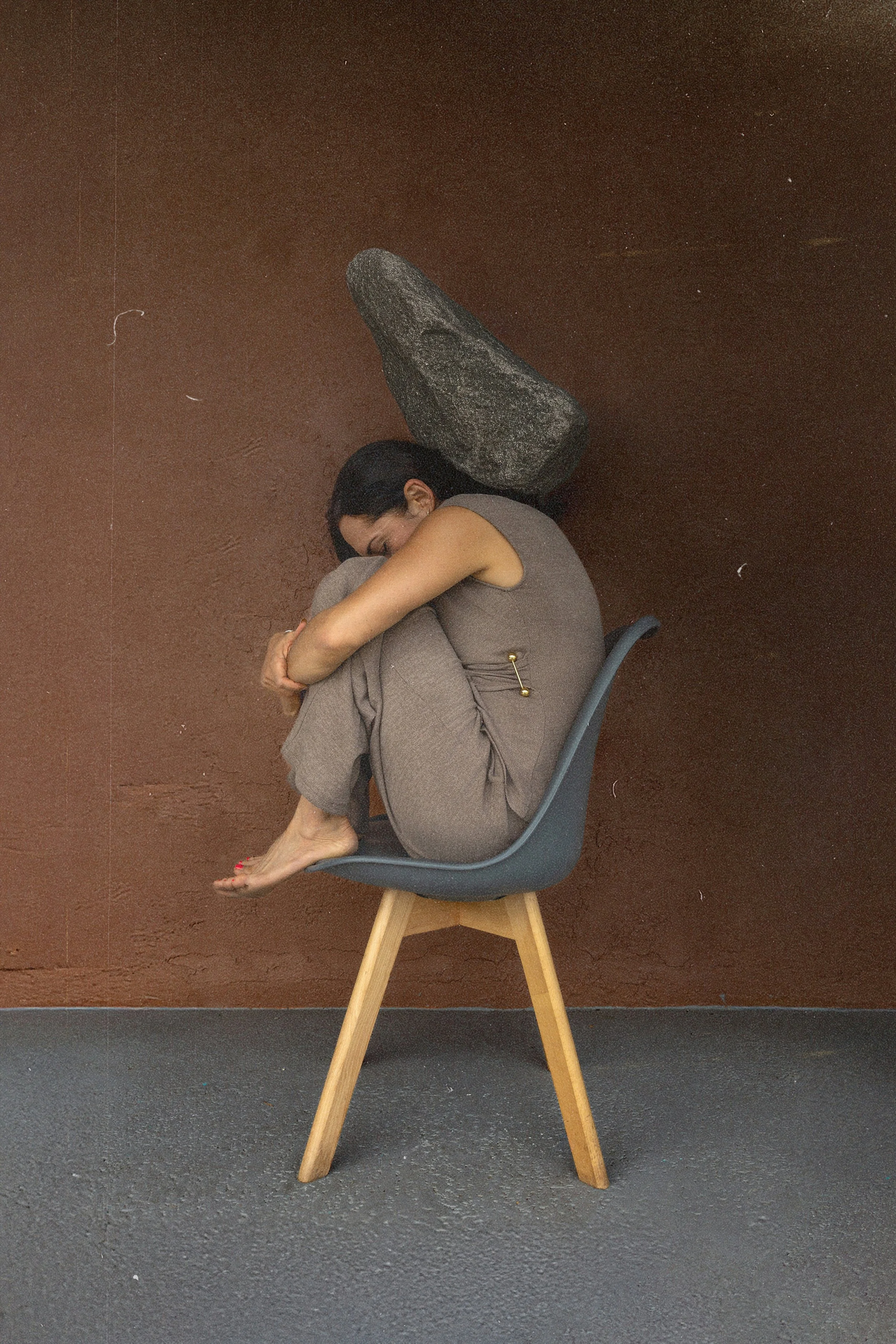
Photo by Lena Fedorov on Unsplash
Are you one of those people who wants to do everything, study everything, and solve every problem – preferably by yesterday?
If so, this might be where you most feel like your best self – that enthusiasm, curiosity, energy, passion.
But it might also be where you can get paralysed with indecision, overwhelmed and worn too thin.
And how do you avoid being overwhelmed by the size of your goal when it’s planet-sized?
I spoke to changemaker and optimist Aurélie Villaespesa, who has a love of discovery, learning, and challenge and is filled with curiosity and enthusiasm about the world, and I asked how, with these traits, she avoids stretching herself too thin. She is also working on a planet-sized goal: achieving 1.5 degrees celsius. How does she not get overwhelmed by it?
This is the third in a series of blog posts inspired by Aurélie, who is a Community Enabler for the Climate Youth Negotiator Programme (CYNP), which trains, connects, and empowers young climate negotiators to participate meaningfully in the United Nations Framework Convention on Climate Change (UNFCCC) negotiations. Last month she was at COP30, supporting 150 young negotiators, from 68 different countries, who are part of the CYNP community.
We spoke as part of a project inspired by changemakers working to protect and restore the River Wye, in which I’ve been exploring how changemakers and adventurers manage to take on big challenges and ride the ups and downs they inevitably bring. Listening to Aurélie showed me possible ways to cope with some of the fears and challenges faced by people who dream of adventure and making a better world. You can catch up with the first two posts here: Part 1 – Facing sceptics and self-doubt; Part 2: Even changemakers & adventurers can fear change & challenge.
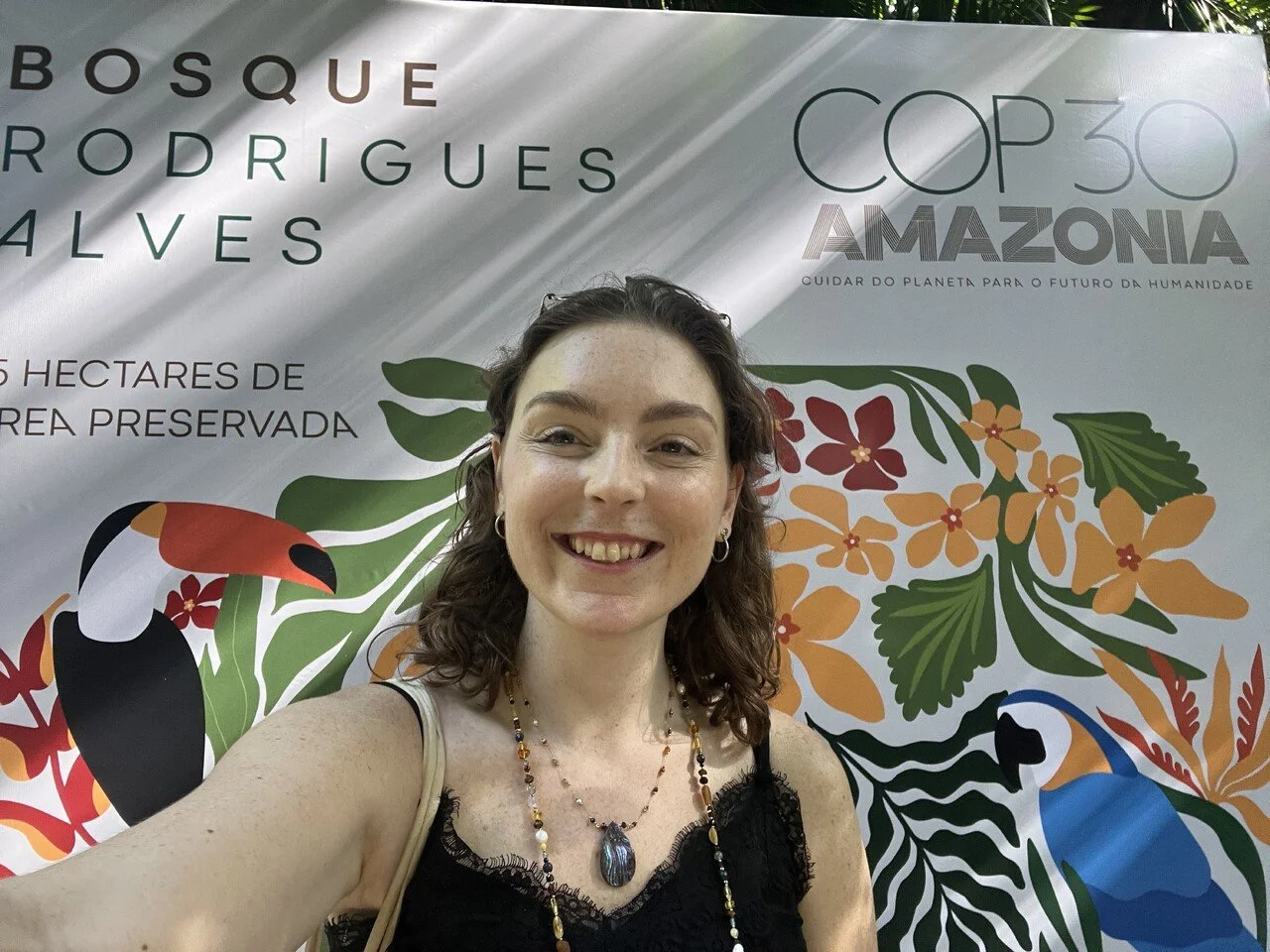
Aurélie at COP30, where she supported young climate negotiators
Learning about some of Aurélie’s classic ‘changemaker and adventurer’ traits, like curiosity, enthusiasm, love of discovery, learning and challenge, made me think of people with similar tendencies who can actually struggle with them. They sometimes feel like they achieve less because of ‘indecision paralysis’ and are weighed down by the pain of what they can’t do. They try to do too much and wear themselves out or feel like they do everything badly. Sometimes, knowing they are the type of person to chase every possibility, say yes to everything, get excited about everything, want to solve all the world’s problems and take every available training programme YESTERDAY, they hesitate to commit to anything because they fear stretching themselves too thin and burning themselves out. Others go through cycles of ‘stepping up’ and taking on or starting lots of things, through to withdrawing, pulling back, paralysis, confusion and overwhelm. It’s not that ‘cycles’ are a bad thing, it’s actually very natural and can be very helpful when we allow ourselves to follow cyclical ebbs and flows, of effort / activity and rest / reflection, often in line with natural cycles such as seasonal or menstrual. However, for people who have this need to do everything, and solve every problem, and are interested in everything, it often doesn’t feel like a natural and beautiful sort of cycle, it can feel reactive or like being stuck in a loop without making progress. Any of this sound familiar? I asked Aurélie whether she has similar issues as a curious, passionate, enthusiastic person:
Aurélie finds satisfaction in the small things, the small wins, especially connection with people, and this is how she avoids the need to dash all over the place and get overstretched.
“Thankfully, I managed to be happy and enthusiastic with small things. So for me, when I speak to one person and then at the end of the conversation, this person says, “Oh, this really helped me,” and I'm like, OK, this is a big win for me, you know, I helped one person. Ok, we are, like, billions in the world, but, I mean, if you can help one person, or help one person feel better just one day, it's still a win, you know. And I think it's very helpful for me to be able to be happy with small wins, or, I mean, small wins for maybe what other people view, but for me, it's like, I mean, when you connect with someone, I think it's a great feeling. And for me, it's enough, and I think it's been useful in my work. Because, of course, you tend to, I mean, I have 300 people that I work with now, and I'm like, it's almost impossible to help them every day. I mean, it's impossible. So, yeah, I think being realistic as well on what you can do is very important when you work in this, in this space.”
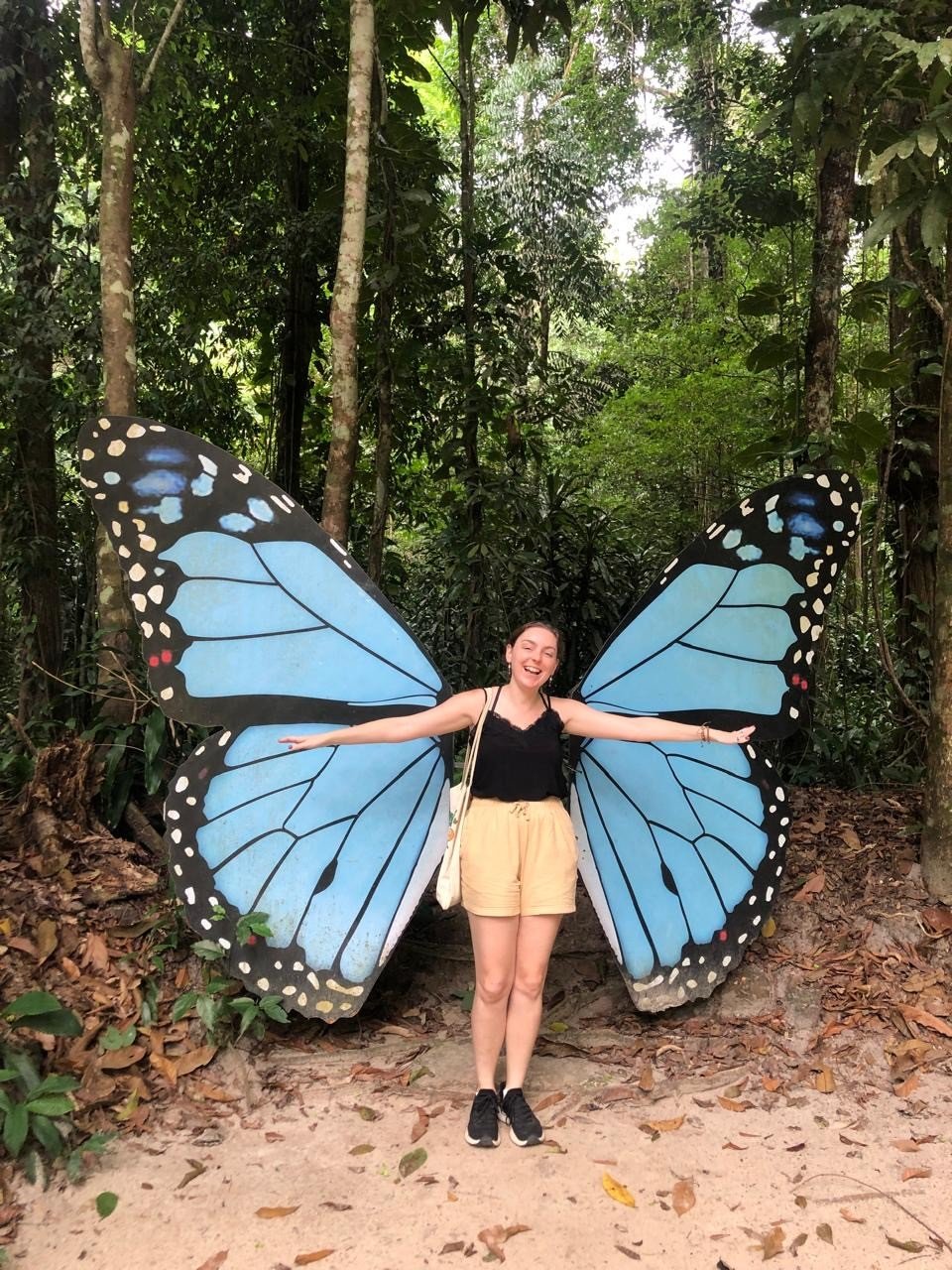
When you are enthusiastic and curious like Aurélie you can flit all over the place & get burnt out. She focusses on getting satisfaction from the small wins
This makes sense to me. It’s brilliant to be so enthusiastic and passionate that you want to do everything, and it can be a positive motivator, but I’ve noticed that it can also often come from a sense of ‘lack’. I know that some people might recognise some of these tendencies that I’ve described as associated with their ADHD, but with or without the ADHD, various types of ‘lack’ could be having an influence. Perhaps you recognise some of these:
· Not enough time - I must keep moving
· Not enough opportunities - I must not miss any
· Not enough safety nets – I must catch everything
· Not enough people care - I must take care of everything
You might recognise a sense of urgency, of being responsible, of needing to prove yourself, or needing to please others, and beliefs that you don’t deserve success if you haven’t made enough effort, or that you haven’t done things you should have done. These ‘musts’ and beliefs can be stressful, exhausting and guilt-inducing. Are you setting yourself impossible standards? It might be worth exploring what beliefs are underneath some of this for you personally so you can see what is secretly influencing your approach.
So, by keeping herself grounded in the satisfaction of the small achievements and connections, and paying attention to what she has done, Aurélie doesn’t feel that ‘lack’ and that ‘what else?’ as much. I think this is probably going to get harder for society as there is also just such an over-abundance of possibilities and options in our faces all the time. There are so many products, TV shows, courses, webinars, clothes, accessories, books, gadgets, trips and places to go available, that you could come up with an infinite list of things you don’t have and haven’t done, all the while constantly seeing all the other people who do have these things and are doing these things. We are also highly exposed to the all the problems in the world. So many problems that we could, maybe should be doing something about. Focussing instead on what we do have and what we have done is something that we can train ourselves to do more with practice, and that can help us to feel more grounded, able to focus and prioritise, and avoid being pulled about and stretched too thin. It’s like building the attention muscles to help us choose what to focus on and resist the constant pull of all that stuff out there. For example, regularly list the things you have done, what you have, what you appreciate, writing ‘done’ lists instead of ‘to do’ lists and also practicing feeling physically grounded, paying attention to where you are physically, your feet on the ground, bum on the seat, breeze on the skin etc.
One of my coaching clients was recently saying something similar to Aurélie, about an attitude shift where he used to feel something like ‘FOMO’ and was always aware of what he could or should do or be, and now he is learning to be satisfied with what he has and is. He has discovered that this doesn’t dampen his ambition as he had feared; instead, it helps him to create a solid foundation, from which he can then add to and build on - and he finds he is able to do more in the long-run. Many of us were taught to be ambitious and work hard – which can be great - but we forgot to also learn how to be satisfied.
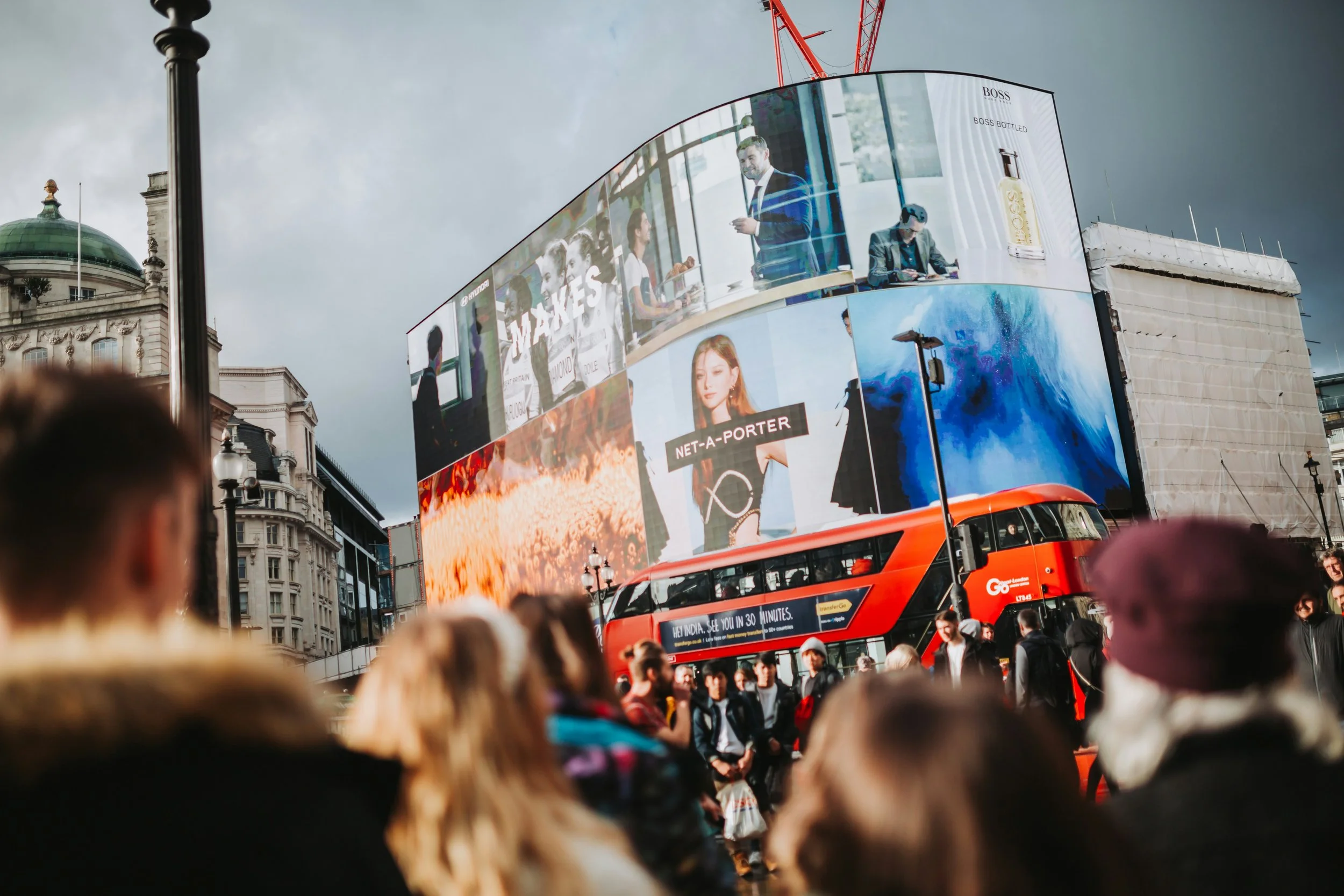
Our society encourages us to focus on what we don’t have. What about focussing on what we DO have?Photo by Bruno Martins on Unsplash
Aurélie is also helped by a strong sense of self and of what works for her, and of her needs, and she shows a willingness to honour that regardless of what everyone else is doing. She sees a lot of people in the sector doing ‘so many different things’ and whilst it’s ‘impressive’, and perhaps works for them, she also thinks that there is this aspect of ‘high performance’ culture in the sector that gets people doing all these things even when it’s not working for them, and this, in her opinion, contributes to such high levels of burnout in the sector. She remembers that when she was younger, at school, she did want to have the best grades but somehow along the way she learned that ‘at some point you have to stop wanting to be the best for other people and just try to be the best for yourself’. She knows that for her, she needs to go to her pottery class or spend time with her family. She says how you spend your week and what you are willing to do depends on ‘who you are and what your limits are’ – and Aurélie has a clear view of this for herself.
So this is how Aurélie avoids being stretched too thin by her passion for the cause:
· Avoids the temptation to chase after every possibility and opportunity by finding satisfaction and happiness in the small things, small wins, especially connection with people.
· Knows herself and her limits, how to plan her week – including the balance, hobbies, family time, and is willing to honour that regardless of what other people do. Avoiding performance or competition element – stop wanting to be the best for other people and just try to be the best for yourself
As Aurélie spoke about the importance of the small things, it occurred to me that what she is working on is a very big thing: saving the planet! How does she avoid getting overwhelmed by the enormity of the goal, as so many of us do? Aurelie agreed it’s a challenge because ‘in my daily work, we have this vision, and all this talk about how to achieve 1.5 degree Celsius. And we're seeing that it's not going in the right direction. And I think what really helps me is that I managed to focus on the people that are doing the work. And when you focus on the people, it somehow takes you back to the small things…. So saving the planet is a big challenge, but I manage to see, maybe the steps to go there, or by focusing on people, I manage to make it more concrete, tangible. Because I think sometimes it’s because these big goals are not tangible that you tend to be worried. But when you come back to people, you talk to people and you say, ‘Oh, how are you doing today, in your work, in your country, in your daily life?’, and then they say, ‘Oh, yeah, I'm working on this project on saving a river’. And it's like, ok, you're not saving the whole planet, but I manage to see all these ingredients that, in the end, contribute to the whole dish.’
So this is how Aurélie avoids getting overwhelmed by the big vision or challenge:
Focus on the steps, the small things
Focus on the people, and all the different things they are doing, the ‘ingredients of the dish’ rather than over-focussing on the dish.
There are many people out there doing good things, so even if you are not working directly in a team, you could curate your social media feed or join a community of like-minded individuals, to keep reminding yourself that you are all ‘ingredients in a dish’. I have done this: I’m a member of the Nature’s Blueprint community, and I also first met Aurelie through the Bloom community, and my social media feed is full of people doing briliant things.
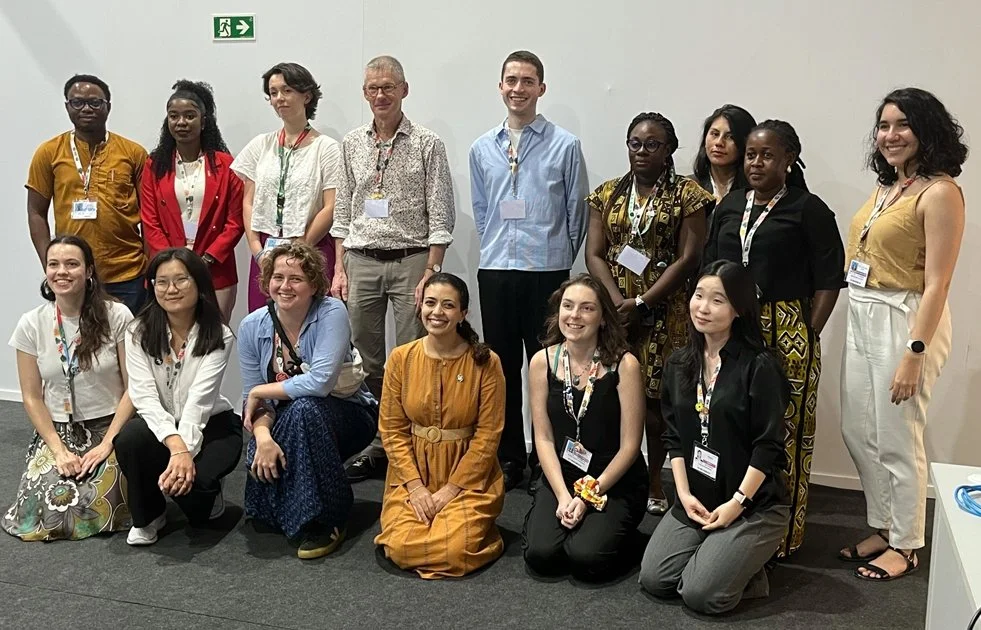
Focussing on the people: ‘the ingredients of the dish’ - helps Aurélie stay grounded despite the large goal
Again, Aurélie’s approach makes sense to me and reminds me of a metaphor that I often think about: having a big goal can give you purpose and direction, like a guiding star. But on the way you can’t keep your eyes fixed on the star, you have to look where you’re going, otherwise you could take the wrong path, trip over, and miss the experiences on the way that make the journey worthwhile.
I hope you’ve enjoyed this blog series as much as I enjoyed my conversation with Aurélie and that there is something here to inspire or aid reflection, or help you in some way so that you can have your own positive impact or adventure. These blog posts touch on just some of the obstacles we face as changemakers and adventurers and just some ways of coping with them, inspired by what works for Aurélie. If you would like some help to explore what works for you, with your own individuality and circumstances, get in touch for a chat about how coaching might be useful.